
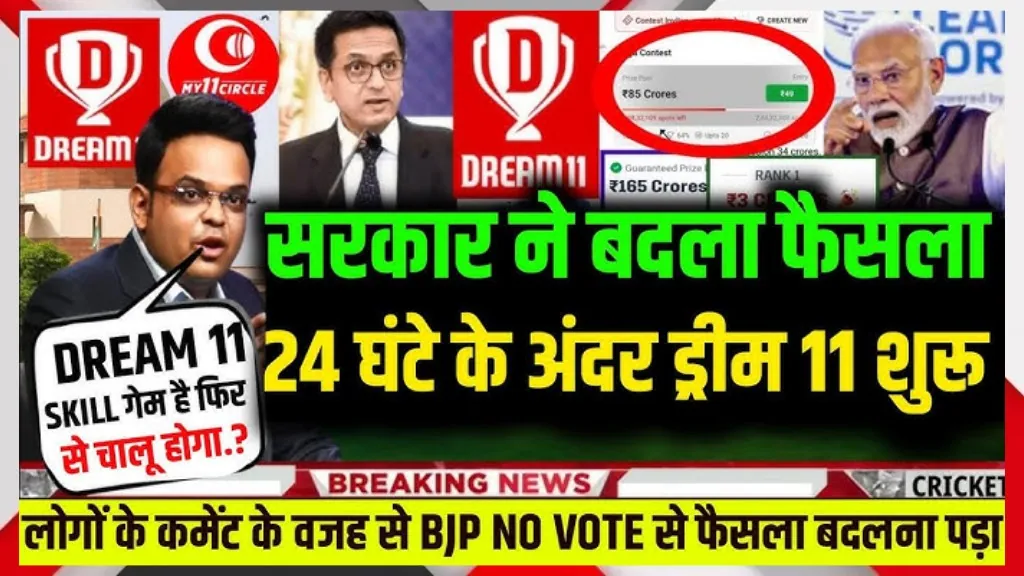
In 2026, Dream11 — India’s once‑leading fantasy sports platform — is facing major changes after real‑money gaming was banned under the Online Gaming Act. The company has largely paused paid contests in India, impacting millions of users and sponsorship deals with cricket bodies. While Dream11 continues to operate free‑to‑play versions and explores global markets like the US, UK, and Australia, it has not returned to India’s real‑money fantasy contests. Enforcement actions and regulatory uncertainty still shape its domestic future. Fans and industry watchers are curious whether Dream11 will evolve new models, adapt legally, or regain its former market presence.
Highlight Points Table
| Highlight | Details |
|---|---|
| Real‑Money Ban | Online Gaming Act restricts paid Dream11 contests in India this year. |
| Operational Shift | Dream11 keeps free play games alive, drops cash entry in India. |
| Global Expansion | Exploring markets in UK, US, Australia with non‑cash formats. |
| Sponsorship Impact | Major cricket sponsorships paused due to regulatory restrictions. |
| Industry Pressure | Enforcement raids and scrutiny continue to affect gaming platforms. |
| Future Uncertain | No official timeline for paid contests returning in India yet. |
Regulatory Changes Affecting Real‑Money Gaming
In 2026, the Indian government’s Online Gaming Act fundamentally altered the landscape for fantasy sports platforms. Dream11, once the largest real‑money fantasy sports company in India, had to stop paid contests where users entered with cash. This law was intended to regulate skill‑based gaming and curb betting and gambling. The result: Dream11 users in India no longer see paid contests, and the company has taken steps to refund existing balances. This regulatory shift has shaken the entire fantasy gaming industry, forcing companies to rethink their business models or risk non‑compliance.
Shift to Free‑to‑Play and Entertainment Models
To stay relevant in India, Dream11 pivoted to free‑to‑play games that do not require monetary entry. These versions are supported by advertising, brand partnerships, and digital engagement features. The aim is to keep the player base active and maintain user data and loyalty, even though direct revenue from entries has dried up domestically. Free formats also help avoid regulatory red flags by removing cash stakes, which are the primary concern of the Online Gaming Act.
Global Market Expansion Strategy
Dream11 is no longer focusing solely on India. The company is testing markets like the UK, the US, and Australia, where fantasy sports are popular but subject to different laws. In these nations, Dream11 plans to launch both free and possibly paid offerings where permitted. This strategy diversifies risk and taps into millions of potential new users. Growth outside India can stabilize revenue and position Dream11 as a global fantasy sports brand, not just an Indian phenomenon.
Sponsorship and Industry Position
Before the regulatory changes, Dream11 was a major sponsor of the Indian national cricket team and other events. Those sponsorships have paused or ended due to legal restrictions. This impacts both brand visibility and revenue streams. Competing platforms that do not offer real‑money contests also face challenges, but Dream11’s scale and user loyalty may support recovery or reinvention.
Step‑by‑Step Overview of Dream11’s 2026 Status
- Online Gaming Act passed → real‑money contests banned.
- Dream11 stops paid entries in India and issues refunds.
- Free‑to‑play formats launched to retain users.
- Enforcement actions target gaming platforms, increasing caution.
- Sponsorship deals paused with cricket boards due to legality.
- Global expansion strategy rolled out to UK, US, Australia.
- Future real‑money return uncertain pending legal/regulatory change.